
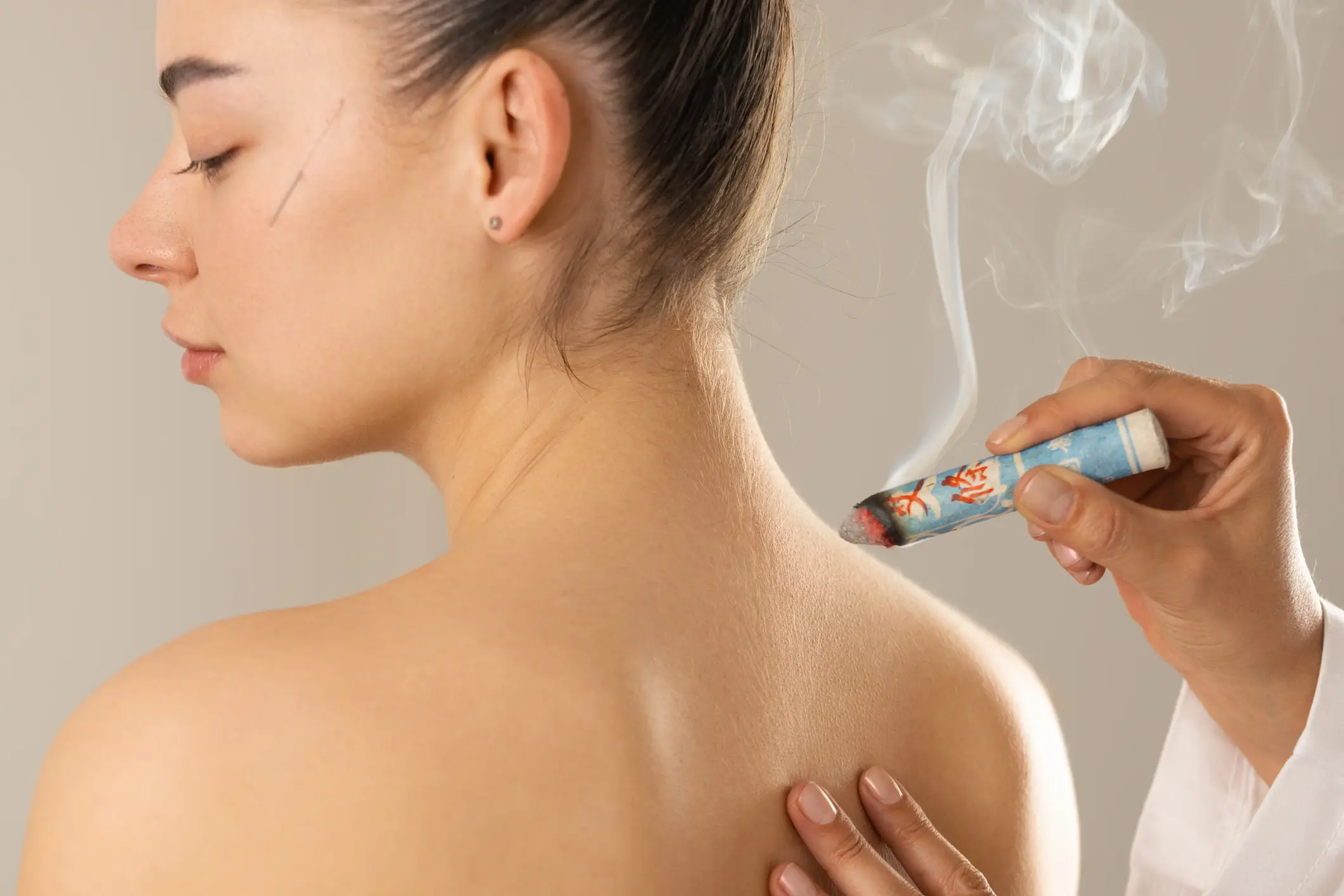
The Warming Power of Moxibustion: A Gentle Boost for Your Body’s Healing
When it comes to natural, time-tested therapies that support the body’s ability to heal, moxibustion is a true gem in Traditional Chinese Medicine (TCM). Though lesser known than acupuncture, moxibustion, or, moxa for short has been used for thousands of years to strengthen immunity, reduce pain, and restore balance from within.
At our acupuncture clinic in Mokena, IL, we often incorporate moxibustion into treatment plans to gently stimulate the bodys natural healing processes. Whether you’re managing chronic fatigue, cold hands and feet, or looking to enhance fertility or digestion, moxa can offer a deeply restorative experience.
What Is Moxibustion?
Moxibustion involves the burning of dried mugwort (Artemisia vulgaris) an herb known for its warming and circulatory properties near specific acupuncture points or meridians on the body. The herb is typically shaped into a small stick or cone and burned safely near the skin, creating a soothing heat that penetrates deeply without causing discomfort.
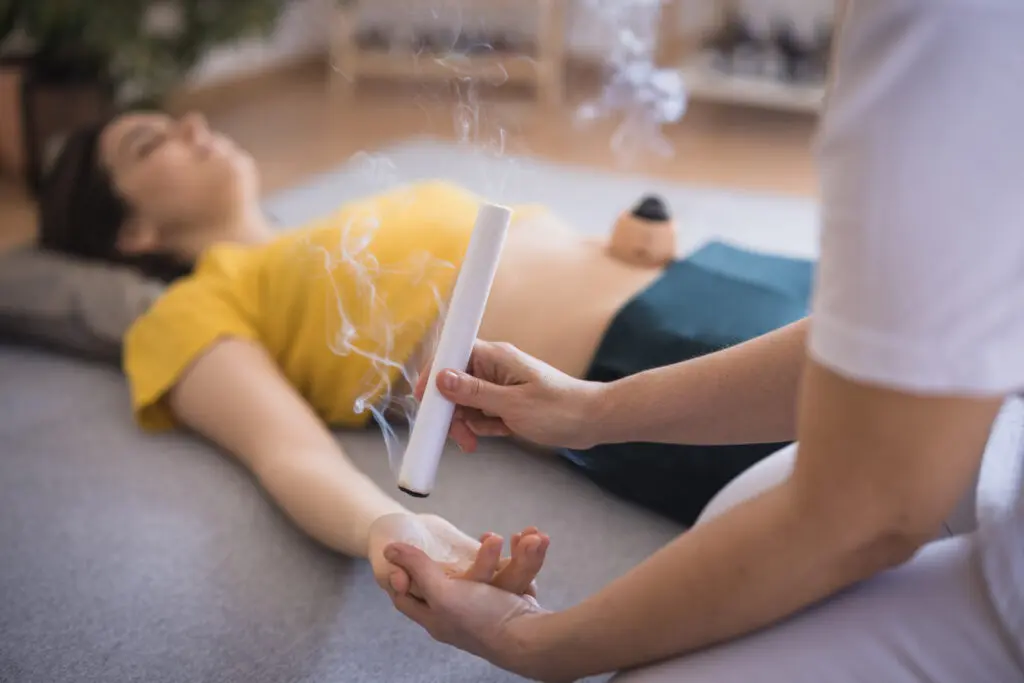
This warming action helps to:
- Promote blood flow and improve circulation
- Dispel cold and dampness from the body
- Support the immune system
- Relieve joint and muscle pain
- Enhance energy levels and digestion
The sensation is often described as nurturing, calming, and comforting, almost like sunlight warming the skin.
How Does Moxibustion Work?
From a Traditional Chinese Medicine perspective, moxa works by stimulating the flow of qi (vital energy) and blood, warming specific meridians, and restoring harmony to internal organ systems. In Western terms, it encourages vasodilation, increases circulation, and promotes an anti-inflammatory response.
By targeting key acupuncture points, moxibustion:
- Activates healing responses at both local and systemic levels
- Improves nutrient delivery and waste removal in tissues
- Boosts the body’s defense system to prevent illness
- Encourages hormonal and nervous system regulation
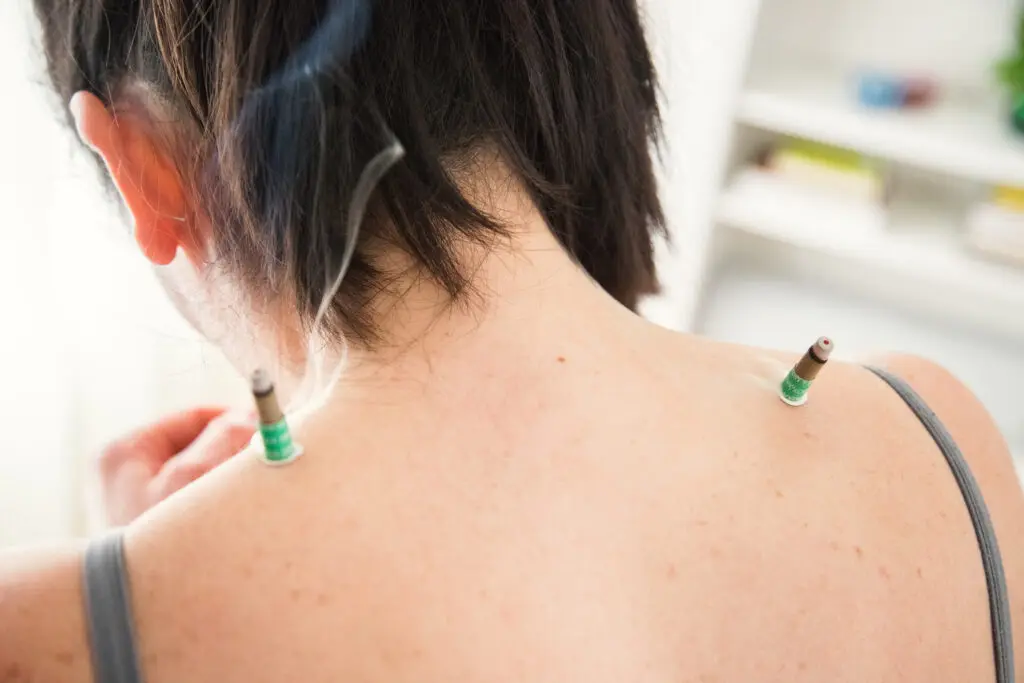
It’s especially helpful for conditions related to cold, stagnation, fatigue, or depletion, such as:
- Menstrual pain
- Infertility
- Digestive issues
- Chronic fatigue
- Arthritis or joint stiffness
- Weak immunity or frequent illness
What to Expect During a Moxibustion Session
At your session, your acupuncturist will gently warm specific points using a moxa stick or cone, always with care and attention to comfort. You’ll relax in a peaceful setting while the heat works its magic. Many people report feeling deeply relaxed and energized after a session.
Moxibustion can be used as a standalone therapy or in combination with acupuncture for enhanced results.
Is Moxibustion Right for You?
If you tend to feel cold easily, experience chronic fatigue, digestive weakness, or are looking to enhance your body’s natural defenses, moxibustion may be a great fit. It’s a safe, non-invasive therapy that has helped people across centuries and cultures feel more grounded, vital, and well.
Experience the Healing Warmth of Moxibustion in Mokena, IL
Whether you’re seeking relief from a specific issue or simply want to support your overall wellness, moxibustion offers a gentle, effective way to help your body heal and thrive.
We’d love to welcome you into our clinic in Mokena and design a care plan that’s personalized just for you.
Ready to experience the benefits of moxibustion?
Contact us today or book your appointment online to begin your journey toward balance and wellness.
References
American Institute of Alternative Medicine. (n.d.). Moxibustion benefits for holistic well-being. Retrieved May 27, 2025, from https://www.aiam.edu/alternative-medicine/moxibustion-benefits/AIAM
China Institute of Traditional Chinese Medicine. (n.d.). Moxibustion. Retrieved May 27, 2025, from https://www.chinainstitute.com/acupuncture-tcm/moxibustion/chinainstitute.com
Dawes, N. C., & Anastasi, J. K. (2022). The case for moxibustion for painful syndromes: History, principles and rationale. Current Research in Complementary & Alternative Medicine, 6(1), 153. https://doi.org/10.29011/2577-2201.100053PubMed Central
Gong, Y., Yu, Z., Wang, Y., Xiong, Y., Zhou, Y., Liao, C., & Wu, P. (2019). Effect of moxibustion on HIF-1 and VEGF levels in patients with rheumatoid arthritis. Pain Research and Management, 2019, 4705247. https://doi.org/10.1155/2019/4705247PubMed Central
National Center for Complementary and Integrative Health. (2022). Acupuncture: In depth. Retrieved May 27, 2025, from https://www.nccih.nih.gov/health/acupuncture-in-depth
UNESCO. (2010). Acupuncture and moxibustion of traditional Chinese medicine. Retrieved May 27, 2025, from https://ich.unesco.org/en/RL/acupuncture-and-moxibustion-of-traditional-chinese-medicine-00425UNESCO Intangible Cultural Heritage
WebMD. (2023, July 2). Moxibustion: Definition, technique, benefits, and risk factors. Retrieved May 27, 2025, from https://www.webmd.com/balance/what-is-moxibustion/