
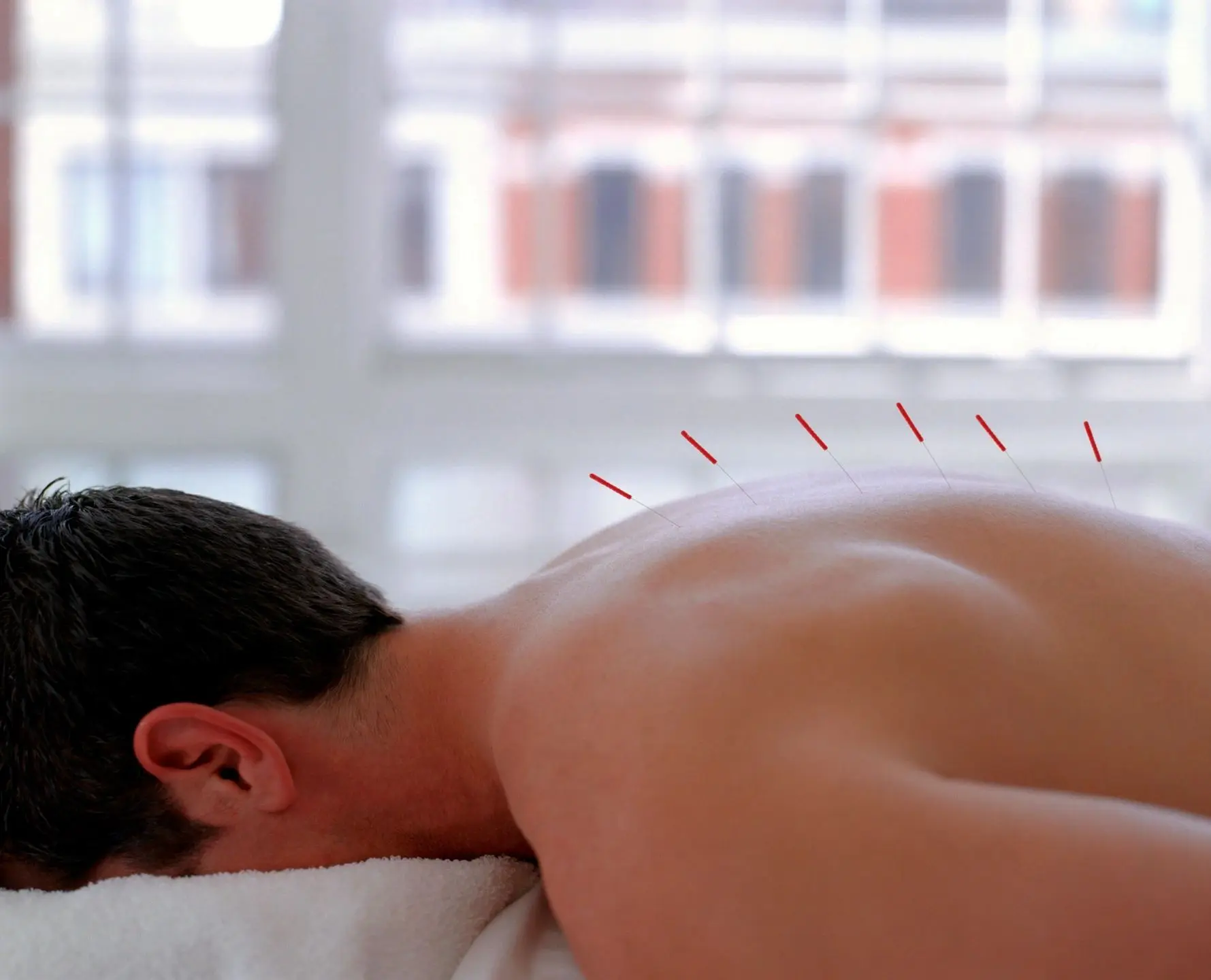
Harnessing Ancient Wisdom: How Modern Integrative Acupuncture Transforms Health
In an age where healthcare is often fast-paced and symptom-focused, more people are turning to integrative approaches that treat the whole person, not just the diagnosis. At the heart of this movement is acupuncture, a time-honored healing practice rooted in ancient Chinese medicine, now evolving with modern insights to support lasting health and well-being. Continue reading for wellness education and acupuncture insights.
What Is Integrative Acupuncture?
Integrative acupuncture is more than just placing needles, it’s a personalized healing experience. It combines the foundational principles of Traditional Chinese Medicine (TCM) with an understanding of Western science and diagnostics. Rather than treating isolated symptoms, integrative acupuncture looks at the whole person, body, mind, and spirit to identify imbalances and support long-term wellness. Whether you’re struggling with chronic pain, stress, digestive disorders, or hormonal imbalance, acupuncture works to stimulate your body’s own healing mechanisms. It promotes circulation, calms the nervous system, and restores energetic balance, without the side effects of medication.
The Ancient Art of Acupuncture
For over two millennia, practitioners have harmonized Qi vital life energy by stimulating precise meridian points. Our licensed team uses single-use needles to modulate neurochemicals, and a whole-person lens to help clients shed migraines, digestive woes, and hormonal imbalance. Regular reports include lighter bodies, calmer minds, and renewed agency.
Integrative Medicine: Blending Old and New
Integrative medicine pairs time-honored therapies with evidence-based diagnostics, creating a duet of ancient rhythm and modern melody. Dr. Melissa Atieh, DAc, LAc, PharmD, bridges pharmaceutical science and classical wisdom, offering:
- Medication therapy management to minimize side effects, prevent interactions, and optimize therapeutic outcomes.
- Filiform needles warmed by infrared lamps for faster tissue repair.
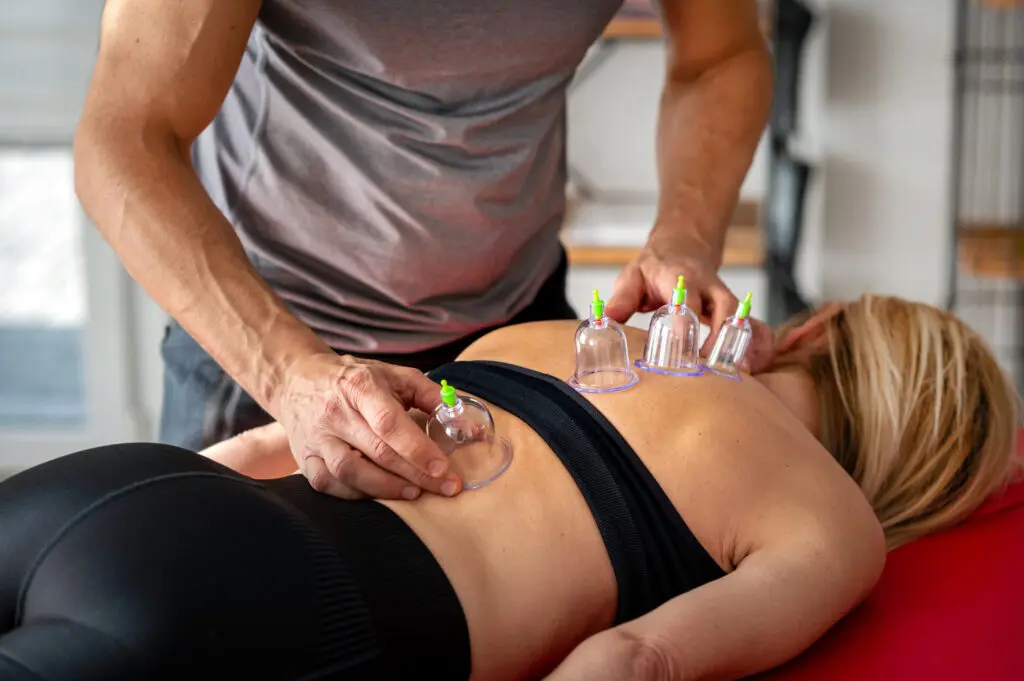
- Cupping therapy to promote vascular circulation, enhance blood flow, and support musculoskeletal function.
- Moxibustion therapy to improve circulation, stimulate immune function, and support the body’s natural defenses. Medication therapy management to minimize side effects, prevent interactions, and optimize therapeutic outcomes.
- Chinese Medicine food therapy to nourish the body, promote inner balance, and support long-term wellness based on your unique constitution.

Ancient Techniques, Modern Benefits
Here are just a few modern health concerns that acupuncture can help address:
- Chronic pain (back, neck, joints, migraines)
- Anxiety and stress relief
- Digestive support and improved gut health
- Hormonal balance and support for women’s health
- Insomnia and sleep regulation
- Immune system support
Why It Works
Acupuncture activates specific points along the body’s meridians, energy pathways that correspond to various organs and functions. By stimulating these points, acupuncture encourages the body to:
- Release endorphins (natural painkillers)
- Regulate cortisol (stress hormone)
- Improve blood and lymph circulation
- Reduce inflammation
- Support nervous system balance
Stress Relief and Wellness
Chronic stress spikes cortisol, stiffens muscles, and clouds judgment. In today’s society, busy commuters and parents seek a sense of calm amidst the daily rush. Our oasis offers:
- Needling at specific acupuncture points to soothe the nervous system, lowering cortisol up to 25 percent
- Targeted cupping that melts knots and releases lactic acid
- Guided 4-7-8 breathing to practice anytime
Daily Integration Tips
- Swap afternoon coffee for chrysanthemum tea to soothe the liver Qi.
- Insert micro-breaks, stand, roll shoulders, breathe deeply.

Health Transformation: Embracing a Holistic Lifestyle
True transformation demands balance across movement, nutrition, mindset, and community. The global acupuncture market is projected to hit 55 billion USD by 2027, confirming worldwide interest in integrative medicine. Embracing natural healing yields:
- Reduced reliance on opioids and sleep aids
- Enhanced immune resilience post-pandemic
- Heightened self-awareness for future challenges
Distinctive Qualities That Set Us Apart
Evidence-Informed Craftsmanship
Treatments fuse tactile skill with scientific research studies to provide the fastest and most beneficial outcomes.
Authentic Heritage
Protocols honor classical texts and seasonal wisdom.
Collaborative Selection
You co-create goals and at-home rituals to ensure your concerns guide the plan.
FAQs
A) Most feel a brief pinch or warmth; many nap during sessions.
A) Acute issues may ease after one visit; chronic conditions often improve within 4 – 6 treatments.
A) Yes. Dr. Atieh’s pharmaceutical background ensures safe integration; bring your prescription list.
Key Takeaways
- Ancient techniques enhanced by technology amplify safety and results.
- Personalized care underpins sustainable wellness.
- Stress-relief habits extend clinic gains.
- Holistic living delivers cascading benefits, energy, clarity, resilience.
Get Personalized Care
Ready to begin your journey? Book a discovery session at Acupuncture Wellness Center and experience 2,000-year-old wisdom fused with modern science. Connect with Dr. Melissa for personalized care that nurtures mind, body, and spirit.
References
National Center for Complementary and Integrative Health. (2022). Acupuncture: In depth. https://www.nccih.nih.gov/health/acupuncture-effectiveness-and-safety
Dhond, R. P., Kettner, N., & Napadow, V. (2007). Do the brains of patients with chronic pain respond differently to acupuncture? Current Pain and Headache Reports, 11(1), 58-63. https://doi.org/10.1007/s11916-007-0022-0
Harris, R. E., Zubieta, J. K., Scott, D. J., Napadow, V., Gracely, R. H., & Clauw, D. J. (2009). Traditional Chinese acupuncture and placebo (sham) acupuncture are differentiated by their effects on mu-opioid receptors (MORs). NeuroImage, 47(3), 1077-1085. https://doi.org/10.1016/j.neuroimage.2009.05.083
Zhou, W., Benharash, P., & Wang, Y. (2020). Acupuncture mechanisms in cardiovascular regulation: Advances and challenges. Frontiers in Physiology, 11, 586493. https://doi.org/10.3389/fphys.2020.586493
Li, S., Wang, Y., Wang, L., Zhang, Y., & Chen, J. D. (2020). Neural mechanisms of acupuncture treatment for functional gastrointestinal disorders: A literature review. Frontiers in Neuroscience, 14, 631124. https://doi.org/10.3389/fnins.2020.631124
Han, J. S. (2004). Acupuncture and endorphins. Neuroscience Letters, 361(1,3), 258 261. https://doi.org/10.1016/j.neulet.2003.12.019
Chang, S. O., & Park, S. M. (2019). Effects of acupuncture on stress and cortisol levels: A meta-analysis. Journal of Acupuncture and Meridian Studies, 12(2), 43’50. https://doi.org/10.1016/j.jams.2019.02.003
Kwon, C. Y., Lee, B., & Kim, J. W. (2023). Acupuncture for immune system regulation: A systematic review and meta-analysis of animal and human studies. Integrative Medicine Research, 12, 101176. https://doi.org/10.1016/j.imr.2023.101176
Walton, A. G. (2022, May 9). What acupuncture can, and can’t do for your health. TIME Magazine. https://time.com/6171247/acupuncture-health-benefits-research/